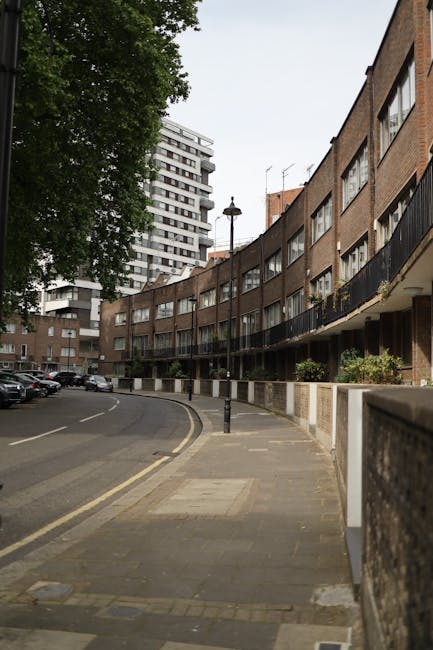
Booking Tips for Removals on Heygate Estate Elephant and Castle
If you are planning a move on or around Heygate Estate, Elephant and Castle, the booking stage can make the whole day feel either calm and organised or, frankly, a bit chaotic. The best Booking tips for removals on Heygate Estate Elephant and Castle are not just about finding a van and a date. They are about understanding building access, timing your move around local traffic, choosing the right type of removal help, and giving your movers enough information to work properly.
That matters even more in central London, where narrow streets, shared entrances, lift access, parking pressure, and time-sensitive schedules can turn a simple move into a long morning if you do not plan ahead. In this guide, you will find practical steps, real-world booking advice, and a few small but important details that can save time, money, and stress.
Expert summary: the smoothest moves on Heygate Estate usually come from early booking, accurate access details, clear inventory lists, and a service match that fits your property type. Simple, but easy to get wrong.
Why booking tips for removals on Heygate Estate Elephant and Castle matters
Booking a removal is never just a diary entry. On Heygate Estate and nearby parts of Elephant and Castle, the success of the move depends on the details you share before the vehicle even arrives. Are there stairs? Is the lift small? Can a larger van get close to the entrance? Is there somewhere to wait if loading takes longer than expected? These questions sound small, but they shape the whole booking.
To be fair, many people only think about the moving day itself. But most problems start earlier, at the quote and booking stage. If a company assumes easy access and it turns out to be a fourth-floor flat with tight corridors, the schedule can slip. If you forget to mention a piano, a heavy wardrobe, or a large sofa, the vehicle and crew may not be right for the job. That is where practical booking advice really pays off.
Heygate Estate is also the sort of location where timing matters. School runs, commuter traffic, local road patterns, and general central London congestion can all affect arrival windows. A well-booked move is one where the removals team has enough room to plan, not just react.
There is another reason this matters: confidence. When your mover knows the full picture, the booking feels more professional, less rushed, and far less likely to drift into hidden extras. And nobody wants that surprise, not on moving day.
How booking tips for removals on Heygate Estate Elephant and Castle works
The booking process usually begins with a query, a quote, and a short discussion about what needs moving. The best companies will want details about property size, item volume, access, parking, timing, and any fragile or specialist items. That information lets them recommend the right vehicle and team size, whether that is a simple man and van arrangement or a fuller removal services package.
On a practical level, a good booking should do three things. First, it should match the move to the right service. Second, it should reduce uncertainty around price and timing. Third, it should set expectations clearly, so you know what is included and what might cost extra.
In many cases, the movers will ask for a short inventory. Not every spoon and sock, obviously. But a sensible list of furniture, boxes, white goods, and special items helps them estimate the space and labour required. If you are moving from a flat, it is worth looking at flat removals support because block access, lifts, and stairwell widths can change the whole plan.
If the move is larger, or if you are relocating family furniture, you may find more value in house removals or even a more tailored moving setup. For smaller or quicker jobs, a van-based booking can be enough. The key is not to overbook or underbook. Either one can be awkward.
Key benefits and practical advantages
Good booking habits do more than save time. They reduce friction in almost every part of the move.
- Better pricing clarity: accurate details help reduce the risk of surprise charges.
- Right-sized vehicle choice: you avoid paying for a truck you do not need, or worse, running out of space halfway through.
- Less day-of stress: the crew arrives expecting the actual situation, not a guess.
- Safer handling: specialist items and awkward access are planned for properly.
- Fewer delays: parking, loading, and route planning can be thought through in advance.
- More reliable timing: a realistic schedule makes the move feel calmer from the start.
That last one is underrated. When a move is booked properly, the tone changes. People are not scrambling to explain a bulky wardrobe at the kerb while a lift door keeps closing. You can feel the difference.
For some moves, especially if you need time to organise between homes, short-term storage can also make the booking more flexible. That can be a very sensible move if completion dates are slightly messy. And, let's face it, they often are.
Who this is for and when it makes sense
This topic is relevant for almost anyone moving on Heygate Estate or in the wider Elephant and Castle area, but it is especially useful for:
- flat tenants moving within the estate or to another part of London
- homeowners planning a local or cross-city move
- students moving in term time or between rooms
- businesses arranging small office relocations
- people with bulky, fragile, or awkward items
- anyone trying to book a move on short notice
If you live in a top-floor flat, have limited lift access, or need a weekend slot, these tips become even more valuable. The same is true if you are moving with children, pets, or a lot of breakable items. A well-organised booking can take real pressure off the day.
For smaller moves, something like man with van or man with a van may be enough. For bigger loads or more structured support, larger removal teams or a dedicated moving truck can be more suitable. Different move, different tool. Simple really.
Step-by-step guidance
1. Start with an honest inventory
List the main items first: beds, wardrobes, sofas, tables, appliances, office furniture, and boxes. Then add anything awkward, heavy, or fragile. A quick inventory is the foundation of a sensible quote. If you miss something important, the booking becomes less accurate and the day can get messy.
2. Check access before you ask for a price
Think like a mover for a minute. Can a vehicle stop nearby? Is there on-street parking? Are there steps at either end? Is there a lift, and if so, is it large enough for furniture? If you are not sure, say so. A good company can still quote, but it needs to know where the uncertainty is.
3. Choose the right service level
Not every booking needs a full team. Some smaller moves work well with a van and one or two movers. Larger moves may need a wider crew or extra packing support. If you need help boxing up, consider packing and boxes or packing and unpacking services so the move is not rushed the night before.
4. Ask what the quote includes
Make sure you know whether the price covers labour, fuel, loading, unloading, stairs, waiting time, and VAT if applicable. Keep it plain and practical. A quote is only useful if you know what sits inside it.
5. Pick a realistic moving time
For central London moves, early starts can be worth it. Traffic is often calmer, neighbours are less likely to be blocking access, and you get a better chance of finishing before the day runs away from you. If the move involves a building with shared access, a carefully chosen slot can save a lot of hassle.
6. Confirm special items separately
Tell the booking team about pianos, mirrors, glass tables, large artwork, antique furniture, or anything unusually valuable. If you need specialist handling, it is better to mention it early than hope for the best. For example, piano removals are very different from a standard box move. Very different.
7. Lock in the paperwork
Once you are happy, confirm the booking in writing and read the terms carefully. That includes cancellation rules, waiting time, access assumptions, and payment terms. A few minutes here can prevent a lot of friction later. No one likes chasing small print while standing beside a half-loaded hallway.
Expert tips for better results
Here are the small details that often make the biggest difference.
- Give dimensions, not just descriptions. "Large wardrobe" is useful, but height, width, and depth are better.
- Send photos of awkward items. A quick picture of stairs, narrow halls, or a bulky sofa can help the booking team judge the job properly.
- Separate the essentials. Pack one clearly labelled box with documents, chargers, toiletries, and a kettle. You will thank yourself later.
- Book a little earlier than you think. Good slots go quickly, especially at month-end and on Fridays.
- Be honest about access. If there is no lift or parking is uncertain, say it. No drama, just facts.
- Keep fragile items visible in your notes. That helps the team plan padding, stacking, and loading order.
One more tip from experience: if you are moving out of a flat with mixed furniture, it helps to label boxes by room and priority, not just by item type. "Kitchen, first open" is much more useful than "Misc." in the middle of a long day. You know how it goes.
If the move is part of a wider life change, maybe between tenancies or before a renovation, a flexible approach can help. Some people also look at home moves support when they want a more complete service rather than piecing everything together. That can be a relief when your head is already full.
Common mistakes to avoid
The biggest booking mistakes are usually not dramatic. They are the ordinary ones that quietly create problems later.
- Underestimating the volume: people often forget loft items, balcony furniture, or that extra chair that "does not really count." It does.
- Ignoring access issues: narrow entrances, stairs, and limited parking can change the whole move plan.
- Booking too late: leaving it until the last minute can limit your choices and push up stress.
- Not checking what is excluded: some quotes look cheap until you add stair carrying, waiting, or evening timing.
- Choosing the wrong vehicle size: too small means multiple trips; too large means wasted cost.
- Forgetting to mention building rules: some blocks have booking windows, lift reservations, or loading restrictions.
Truth be told, most of these issues are easy to avoid once you slow down for ten minutes and think like the crew will have to think. That one small pause can save a very long day.
Tools, resources and recommendations
You do not need fancy software to book a move well. A few simple tools are enough:
- a written inventory on your phone or in a notebook
- photos of rooms, stairs, and large items
- a simple calendar with preferred move dates
- measures for furniture and doorways
- a box labelling system by room and priority
It also helps to review the mover's core information before booking. Pages such as pricing and quotes, insurance and safety, and health and safety policy can tell you how the company approaches price transparency, risk, and operational care. That sort of detail matters. Not glamorous, but useful.
If you are moving something you no longer need, booking a separate collection or reuse option can reduce clutter before moving day. Services like furniture removals and furniture pick up can help you clear space without dragging unwanted pieces into the new place. A tidy move is usually a lighter move.
Law, compliance, standards and best practice
For removals in London, the main thing is to use a provider that works safely, explains its terms clearly, and handles your goods responsibly. You do not need to become a legal expert, but you should expect basic professionalism: clear pricing, suitable equipment, sensible lifting practice, and appropriate insurance arrangements where relevant.
Good practice usually includes:
- clear booking terms
- transparent payment expectations
- careful handling of goods
- safe loading and unloading methods
- reasonable communication about delays or access problems
- privacy-aware handling of your contact and move details
If you are moving from a commercial site, the same principles apply, but with more attention to timing and operational disruption. For businesses, commercial moves and office removals usually need tighter planning than a domestic job. Staff access, IT equipment, and building rules can complicate everything very quickly.
You should also read the relevant terms before confirming. Pages like terms and conditions and payment and security are worth checking because they explain what happens if plans change. That is not exciting reading, granted, but it is part of a sensible booking.
Options, methods and comparison table
Choosing the right removal method is one of the most important booking decisions. Here is a simple comparison to help you think it through.
| Option | Best for | Main advantage | Watch out for |
|---|---|---|---|
| Man and van | Small flat moves, lighter loads, short-distance jobs | Flexible and usually cost-effective | Can be too small for larger households |
| Van with extra support | Medium moves with mixed furniture and boxes | More help with lifting and loading | Still needs accurate inventory details |
| Full removals service | Family homes, busy move days, heavier loads | More structured and less stressful | May be more than you need for a small move |
| Truck-based removal | Large homes, bulky items, multiple rooms | Good for bigger volume and fewer trips | Parking and access planning become more important |
| Short-term storage plus move | Delayed completion, renovation gaps, staged moves | Provides flexibility when dates do not line up | Needs extra coordination and timing |
If you are unsure where you fit, think about volume first, then access, then timing. In that order. That alone usually points you toward the right option.
Case study or real-world example
Imagine a couple moving out of a two-bedroom flat near Heygate Estate. They have a sofa bed, a dining table, a few heavy boxes, a wardrobe, and several fragile kitchen items. At first, they think a small van will be fine. Then they remember there is no lift, one staircase is narrow, and parking is not exactly generous.
Once they explain the access details, the booking changes. The mover recommends a slightly larger vehicle and an earlier arrival time. They also suggest packing fragile items separately and labeling boxes by room. The couple takes the advice, and the day goes much more smoothly than expected. A little slow at first, sure, but calm.
Now compare that with a rushed booking where the team turns up and learns about the stairs on the doorstep. That move can still happen, of course, but it is likely to be slower, more tiring, and more expensive than it needed to be. Small details. Big difference.
Practical checklist
Use this before you confirm your booking.
- Have I listed every major item, including loft, balcony, or storage items?
- Have I measured anything unusually large or heavy?
- Have I checked lift access, stairs, and entry points?
- Have I thought about parking and loading access?
- Do I know whether I need a van, truck, or fuller removals service?
- Have I asked what the quote includes and excludes?
- Have I explained any fragile or specialist items?
- Have I selected a realistic time slot?
- Have I read the terms and payment information?
- Have I packed a first-night essentials box?
Quick reminder: if the move feels complicated, that is usually a sign to slow down and ask one more question before confirming. Better a five-minute check now than a five-hour headache later.
Conclusion
Booking a removal on Heygate Estate Elephant and Castle becomes much easier once you focus on the practical details: access, timing, vehicle size, service level, and honest communication. That is really the whole game. If you get those right, the rest usually follows.
Use the booking stage to reduce surprises, not create them. Be specific, ask about what is included, and choose a service that matches the actual move rather than the ideal version of it. A careful booking often means a calmer moving day, fewer delays, and less stress in the room when the van arrives.
If you are planning a move soon, take the time to organise the basics properly and give yourself a bit of breathing space. It makes a bigger difference than people expect. And on moving day, that calm feeling is worth a lot.
Get a free quote today and see how much you can save.
Frequently Asked Questions
How far in advance should I book removals on Heygate Estate Elephant and Castle?
As early as you can, ideally once you know your moving date or at least your likely window. Earlier booking gives you better choice of times, more flexibility, and less last-minute pressure.
What details should I give when asking for a removal quote?
Share the property type, number of rooms, major furniture, any fragile items, access issues, parking concerns, and whether you need packing help. The more accurate the detail, the better the quote tends to be.
Is a man and van suitable for a flat move on Heygate Estate?
Sometimes, yes. It depends on the amount of furniture, the number of boxes, and how easy the access is. For smaller moves, a man and van setup can be a practical choice.
Do I need to mention stairs and lifts when I book?
Absolutely. Stairs, lift size, and distance from vehicle to door can all affect the time and labour required. Leaving that out is one of the easiest ways to cause problems later.
What if I have a piano or another heavy specialist item?
Tell the mover immediately. Items like pianos need different handling and planning, so it is better to book the right support from the start. That is where piano removals becomes relevant.
Can I book removals if my dates are not fully confirmed?
Sometimes you can, but it depends on the provider and their terms. If your move is tied to completion or tenancy timing, ask about flexibility and any change policies before confirming.
What should I do if parking near Heygate Estate is difficult?
Explain it at the booking stage. The removals team may suggest a different arrival time, a smaller vehicle, or a loading plan that fits the street conditions better.
Do I need packing help or can I do it myself?
You can do it yourself if you have the time and supplies. If not, packing support can make a big difference, especially for fragile items or a busy move schedule. See packing and unpacking services if that would help.
What is the difference between removals and storage?
Removals are the transport and moving process itself. Storage is useful when there is a gap between leaving one property and moving into another, or when you want to stage the move in parts.
How do I avoid hidden charges?
Ask what is included, confirm access details, mention special items, and read the booking terms before paying. Hidden charges usually come from assumptions that were never checked early enough.
Is a full removals service better than hiring a van?
Not always. A full removals service is useful for larger or more complex moves, while a van-based option can be enough for small or straightforward jobs. It depends on volume, access, and how much help you need.
What should I pack separately for the first night?
Keep essential documents, chargers, toiletries, medication, a change of clothes, basic snacks, and any key household items in one clearly labelled box. It sounds simple, but it makes the first evening much easier.
Are weekend removals harder to book?
Usually, yes. Weekend slots are often more popular, so booking earlier helps. If your schedule is tight, be flexible with timing where possible.
How do I know which service is right for my move?
Start with the size of the load, then consider access, then timing. If you are moving a small load, removal van options may be enough. For larger households, a fuller service is often the safer choice.